
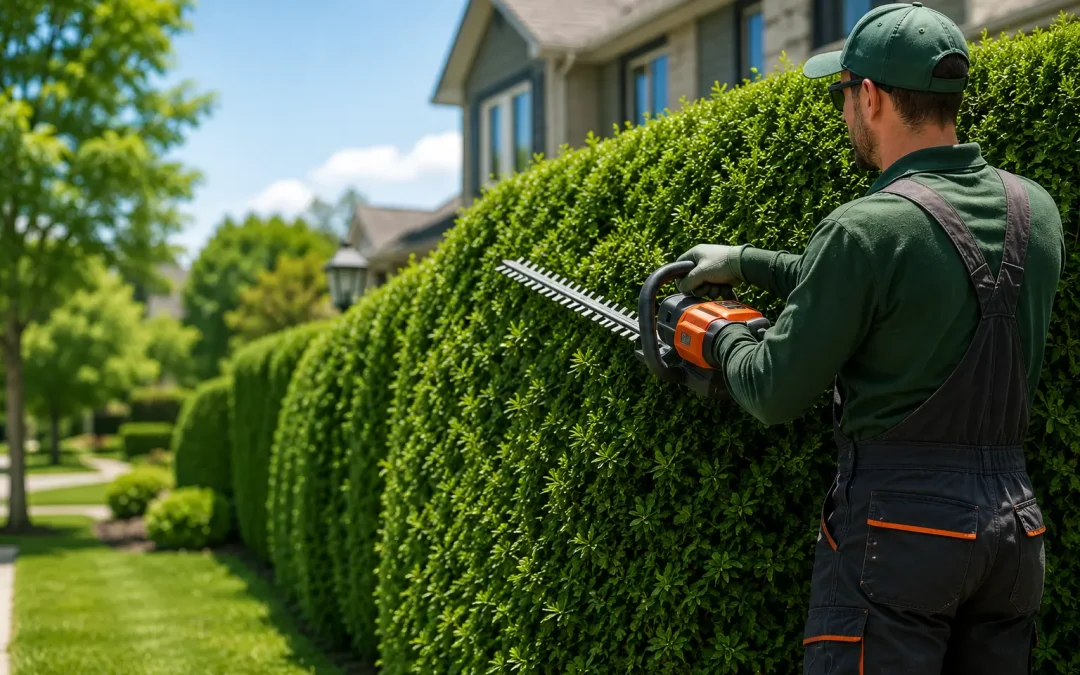
The Best Time To Trim Hedges In Ottawa
Well-maintained hedges can dramatically improve the appearance of your property, increase curb appeal, and support healthy plant growth. However, knowing when to trim hedges in Ottawa is just as important as knowing how to trim them.
Ottawa's climate presents unique challenges, including long winters, rapid spring growth, and hot summer conditions. Timing your hedge trimming correctly helps protect your plants, encourages healthy growth, and keeps your landscape looking neat throughout the year.
In this guide, we'll explain the best times to trim hedges in Ottawa, seasonal considerations, and when to hire a professional hedge trimming service.
Why Hedge Trimming Timing Matters
Proper timing can help:
- Promote healthier growth
- Maintain an attractive shape
- Prevent overgrowth
- Reduce disease risks
- Improve sunlight exposure
- Increase property curb appeal
Trimming at the wrong time can stress plants, damage new growth, and reduce the overall health of your hedges.
Best Time To Trim Hedges In Ottawa
For most residential hedges in Ottawa, the ideal trimming periods are:
Late Spring (May to June)
Late spring is generally the best time for the first major hedge trim of the year.
Benefits include:
- Removing winter damage
- Encouraging healthy new growth
- Improving hedge density
- Establishing shape for the growing season
Most hedges begin growing rapidly once temperatures consistently warm up. Trimming during this period allows the hedge to recover quickly and maintain a fuller appearance.
Mid-Summer (July to August)
Many Ottawa hedges experience strong growth throughout summer.
A mid-season trim can help:
- Maintain a clean appearance
- Prevent excessive overgrowth
- Improve property aesthetics
- Keep pathways and views clear
This trimming session is often focused on maintenance rather than major shaping.
Early Fall (September)
A light trimming in early fall may be appropriate for some hedge varieties.
Benefits include:
- Cleaning up summer growth
- Preparing landscaping for winter
- Maintaining shape before dormancy
However, heavy pruning should generally be avoided late in the season because new growth may not harden before freezing temperatures arrive.
When Not To Trim Hedges
Late Fall
Avoid major trimming after temperatures begin dropping consistently.
Late-season pruning can:
- Stimulate vulnerable new growth
- Increase winter damage risk
- Stress the hedge before dormancy
During Extreme Heat
Trimming during periods of intense summer heat can cause:
- Leaf burn
- Moisture loss
- Plant stress
If trimming is necessary, early morning is usually the safest time.
During Active Bird Nesting
Many birds use hedges for nesting during spring and early summer.
Before trimming:
- Check for active nests
- Follow local wildlife regulations
- Delay trimming if nesting birds are present
Recommended Hedge Trimming Frequency
The ideal schedule depends on the type of hedge.
| Hedge Type | Recommended Trimming |
| Cedar Hedges | 1–2 times per year |
| Boxwood Hedges | 1–2 times per year |
| Privet Hedges | 2–3 times per year |
| Fast-Growing Hedges | Up to 3 times per year |
| Formal Hedges | Regular maintenance trimming |
Most Ottawa homeowners benefit from professional inspections at least once annually to determine the best trimming schedule.
Signs Your Hedges Need Trimming
Your hedges may require trimming if you notice:
- Uneven growth
- Branches extending into walkways
- Reduced sunlight penetration
- Overgrown appearance
- Dead or damaged branches
- Loss of shape
Addressing these issues early can prevent larger maintenance problems later.
Benefits Of Professional Hedge Trimming
Professional hedge trimming offers several advantages:
Better Appearance
Professionals create clean, uniform lines that improve curb appeal.
Healthier Growth
Proper trimming techniques encourage denser, stronger growth.
Safety
Tall hedges often require specialized equipment and safe ladder practices.
Time Savings
Homeowners can avoid the time and effort required for large trimming projects.
Proper Cleanup
Professional services typically include debris removal and site cleanup.
Hedge Trimming In Ottawa: Local Considerations
Ottawa's climate differs significantly from many other Canadian regions.
Factors affecting hedge growth include:
- Long winters
- Heavy snowfall
- Freeze-thaw cycles
- Humid summers
- Variable spring temperatures
Because of these conditions, local experience is important when determining the best trimming schedule.
A trimming plan designed specifically for Ottawa properties helps maximize hedge health and appearance throughout the year.
Frequently Asked Questions
What month is best for hedge trimming in Ottawa?
For most hedge varieties, late spring (May to June) is considered the ideal time for major trimming.
How often should hedges be trimmed?
Most residential hedges benefit from trimming once or twice per year, while fast-growing species may require additional maintenance. For a more detailed breakdown by hedge type, read our guide on How Often Should Hedges Be Trimmed In Ottawa?
Can I trim cedar hedges in summer?
Yes. Light maintenance trimming during summer is common and helps maintain shape and density.
Should hedges be trimmed before winter?
A light cleanup trim in early fall may be beneficial, but heavy pruning should generally be avoided before winter.
Is professional hedge trimming worth it?
Professional hedge trimming can improve hedge health, appearance, safety, and long-term maintenance results.
Get Professional Hedge Trimming Services In Ottawa
Regular hedge trimming helps maintain healthy growth, improve curb appeal, and keep your property looking its best throughout the year.
Whether you have cedar hedges, privacy hedges, ornamental shrubs, or large landscape borders, professional maintenance can help protect your investment and enhance your outdoor space.Contact Northern Edge Green today to request a free estimate for hedge trimming services in Ottawa and surrounding areas.